Home Addition Contractor in Martinez, CA
Understanding Home Additions vs. ADUs
At Y.O.D.A. Construction we specialize in both ADUs and home additions in Martinez, CA and the Bay Area. Major differences between the two types of structures revolve around their intended use and design: ADUs are typically self-contained living units meant for independent living, often rented out to others, whereas detached additions are extensions of the main house that may not have all amenities needed for independent living. Additionally, they may be subject to different zoning regulations and size limitations, impacting design choices and construction processes.
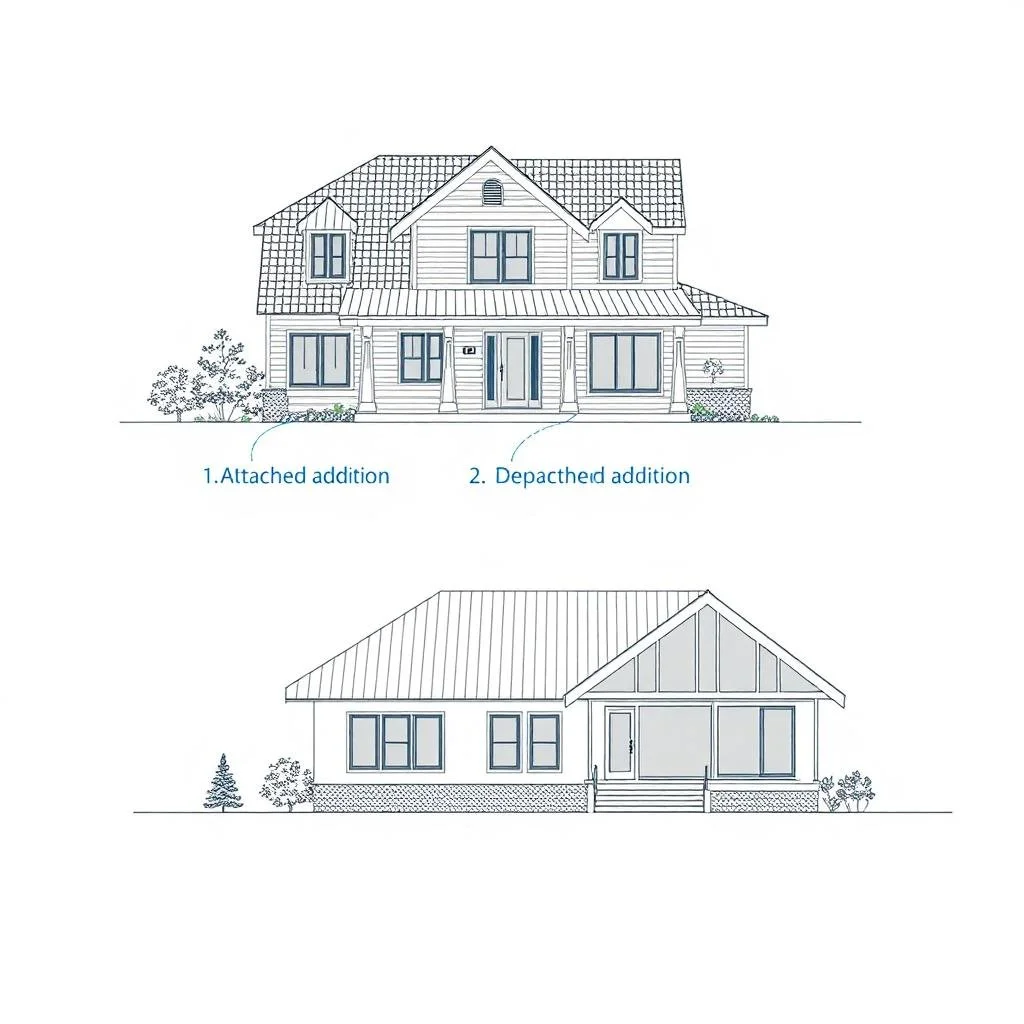
An Accessory Dwelling Unit (ADU) and a detached addition to an existing house are both types of residential structures, but they serve different purposes and have distinct characteristics.
Accessory Dwelling Unit (ADU)
Definition: An ADU is a secondary housing unit located on a single-family residential lot. It can be attached to the primary residence, converted from existing spaces such as basements or garages, or constructed as a separate (detached) structure.
Purpose: ADUs are generally intended for rental income, housing family members, or providing guest accommodation. They are designed to be fully self-contained, featuring their own kitchen, bathroom, and living area.
Zoning and Regulations: Many municipalities have specific zoning laws and regulations that govern the construction and use of ADUs. These might include size limitations, occupancy rules, and parking requirements, all aimed at preserving neighborhood character and addressing infrastructure impacts.
Size: ADUs are typically smaller than the primary residence, often ranging from 400 to 1,200 square feet, though this can vary based on local regulations.
Detached Addition
Definition: A detached addition refers to a new structure that is built separately from the main house but serves as an extension of the living space of the primary residence. Common builds we do at Y.O.D.A. Construction include guest houses, art studios, or other types of recreational or functional spaces.
Purpose: Detached additions can serve a wide variety of purposes, such as a home office, guest suite, or exercise area. Unlike ADUs, they may not be designed for long-term rental or independent living.
Zoning and Regulations: Similar to ADUs, detached additions are subject to local zoning laws; however, the regulations may differ, particularly concerning their intended use, occupancy, and whether they can be rented out.
Size: The size of a detached addition can vary significantly, often accommodating larger spaces according to the owner’s needs and local building codes. This could allow for multi-room configurations and larger square footage compared to an ADU.